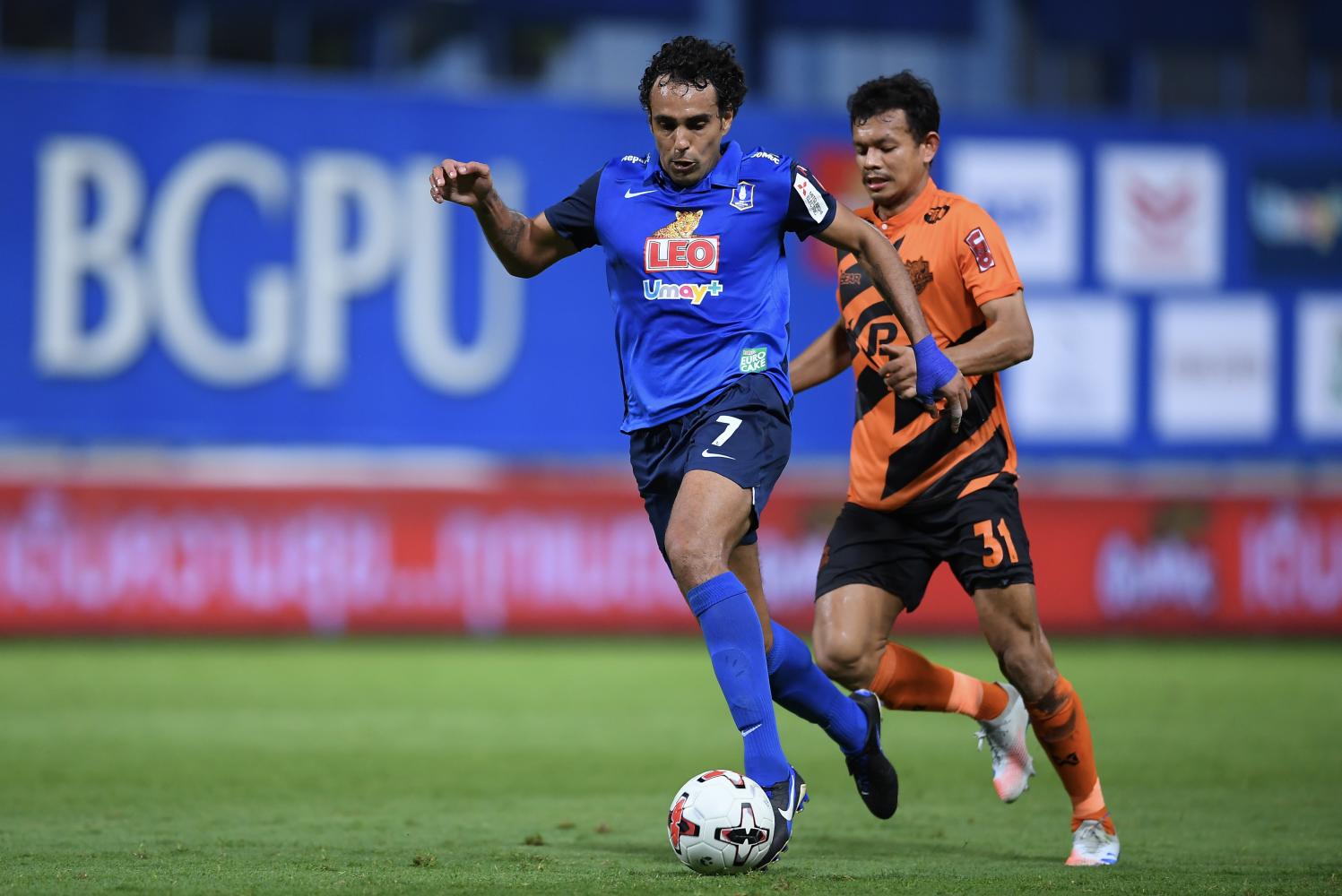
In Thai League 2016/17, betting decisions often swung on the physical condition of a handful of key players rather than on league tables alone. With 18 teams playing dense calendars and the 2016 season even ending early due to off‑pitch events, understanding who was truly fit to start—and who was running on fumes—was a major edge for anyone opening a slip on those matches.
Why Player Fitness Was A Real Betting Edge In 2016/17
The 2016 Thai League T1 season began in March and was eventually cut short with three rounds remaining, while the 2017 campaign started the following February with another full top‑flight programme. That scheduling compressed many competitive fixtures and reduced recovery time, especially for clubs juggling cup commitments and travel, making fatigue and minor injuries more common than the raw fixtures list might suggest.
For bettors, this created a cause–effect chain: congested calendars and travel burden led to tired legs, which lowered pressing intensity and execution quality, which in turn altered match tempo, goal expectancy, and the probability that star players completed 90 minutes. Those who followed fitness information closely could anticipate rotations and performance dips before they fully showed up in the odds.
What “Fitness” Really Means Beyond Injury Labels
Fitness in a Thai League context was more than the absence of a red “injured” flag next to a name. Player‑availability overviews for many competitions distinguish between long‑term injuries, short‑term knocks, and match‑readiness after layoffs, underlining that being medically cleared is not the same as being ready for intense minutes.
In practice, fitness combined three elements: recent minutes played, training load, and recovery time between fixtures. A striker returning from a muscle strain who had only played 20 minutes off the bench in the last two weeks was technically available but not necessarily ready to start and maintain peak output, which mattered when you were pricing goal probabilities or handicaps involving that player’s team.
Using Line‑Ups And Minutes To Infer Physical Condition
Because detailed internal medical data were not public, bettors in 2016/17 had to infer fitness from external signals like starting elevens, substitutions, and match‑minute records. Matchday overviews and historical line‑up pages show who started, who was repeatedly subbed early, and who disappeared from squads without an obvious tactical reason.
When a key player repeatedly logged 90 minutes in quick succession across league and cup fixtures, it suggested strong underlying fitness but also signalled rising fatigue risk heading into the next match. Conversely, a pattern of early substitutions or bench roles after previously playing full games often indicated load management or niggles, especially in periods of fixture congestion. Translating these patterns into “likely full‑strength” versus “likely limited” was one of the most actionable pre‑match checks bettors could perform.
Building A Practical Fitness Checklist Before Opening A Slip
A structured checklist helps transform scattered notes on Thai League 2016/17 into a repeatable pre‑match process. Because the calendar, travel demands, and squad depth differed between teams, having a consistent sequence of questions avoided overreacting to headlines or social media rumours. Sources that aggregate previous line‑ups, fixture density, and minute counts provide enough context to answer these questions systematically.
The point of the checklist is not to predict every knock, but to avoid betting heavily when too many critical unknowns stack up. In a league where star forwards and creative midfielders often shifted the balance of matches, knowing whether they were ready for 70–90 intense minutes or likely to be eased in off the bench could be the difference between a sound value bet and a blind guess.
Before listing specific checks, it helps to recognise that not all positions should be treated equally. Losing a full‑back for one match rarely has the same impact as losing a prolific striker or the goalkeeper who anchors a strong defensive record; likewise, a high‑work‑rate midfielder playing three full matches in seven days raises a different red flag than a centre‑back doing the same. By weighting positions and roles, you can focus your effort on the players whose physical status truly shifts your edge.
- Examine the last three line‑ups to see whether key players started, were subbed early, or missed out entirely.
- Check minutes played for high‑intensity roles (wingers, pressing forwards, box‑to‑box midfielders) across league and cup fixtures.
- Note any sudden drops in playing time or squad omissions without an obvious tactical explanation.
- Cross‑reference fixture dates to identify short rest windows (two or three days between competitive matches).
- Track whether returning players are being eased back with substitute appearances before full starts.
Interpreting this checklist builds a more realistic view of who is likely to be at full physical capacity when the next Thai League match kicks off. If you see multiple key attackers with heavy minutes and little rest, or crucial defenders only recently back in the squad, the smart response is to adjust your expectations for pressing intensity, goal volume, or clean‑sheet probability before committing money, instead of assuming every “available” player is at 100%.
Considering Schedule, Travel, And Climate In 2016/17
The structure of Thai League 2016/17 also influenced fitness through travel, climate, and the compressed nature of the campaign. Standings and fixture listings show that teams criss‑crossed the country throughout the season, with some stretches bringing multiple away trips in close succession.
In hot and humid conditions, short rest between those trips amplified fatigue, particularly for high‑motor players who covered large distances per match. Bettors who accounted for the travel and weather dimension—rather than treating all fixtures as physically equivalent—could better anticipate when rotation would be necessary, when tempo might slow, or when late‑game performance would drop off, all of which affected goal expectancy and handicap resilience.
Using Fitness Awareness When Interpreting UFABET Prices
When Thai League followers turned this fitness analysis into actual stakes, they usually did so through a digital channel that presented odds in a structured interface. In situations where a user was about to confirm a bet on a sports betting service, including a widely used option such as ufa168 ทางเข้า, the disciplined move was to pause and compare their current view of key players’ readiness with the assumptions implicit in the prices. If odds treated a side as full strength despite clear signs of fatigue or likely rotation among attacking leaders, the implied probabilities might be overstated, signalling either a no‑bet or a reduced stake. Conversely, when a previously weakened team finally regained several fit starters but the market did not fully adjust, there could be justified value in anticipating a performance lift that raw recent results did not yet show.
Where Fitness Information Was Unreliable Or Misleading
Not all fitness cues in 2016/17 were trustworthy. Relying on brief social media clips or non‑official rumours sometimes led bettors to overestimate injuries or underplay recoveries, especially in a league where smaller clubs had less formal media coverage.
Line‑ups alone could also mislead when coaches rotated tactically rather than because of physical limitations. A star being benched away to a top opponent might reflect a deliberate plan to use him as an impact substitute rather than evidence of poor health. The failure case for fitness‑based analysis was clear: overinterpreting every absence as an injury problem could push bettors to avoid or oppose teams unnecessarily, giving up opportunities where the market had already priced in tactical choices correctly.
Comparing Fitness Impact Across Positions And Playing Styles
The effect of fitness on betting edges in Thai League 2016/17 also varied based on playing style and role. High‑pressing teams relied heavily on forwards and midfielders capable of repeat sprints and intense pressing actions; when these players were below full fitness, pressing structures broke down, creating more space for opponents and undermining tactical identity.
More conservative sides that defended deeper were less sensitive to the sharpness of individual attackers but highly dependent on the chemistry and communication of their back line. Losing a central defender or a goalkeeper with strong organisational skills had outsized impact on expected goals against, even if official injury reports described the rest of the squad as fully fit. Bettors who differentiated these patterns could better estimate how much each fitness question really mattered to each team’s game model.
Incorporating Fitness Into Pre‑Match Models And Shortlists
For data‑inclined bettors, fitness flags became one of several inputs feeding into pre‑match models of Thai League 2016/17 games. Tables, results, and performance stats gave a baseline expectation of team strength, but those models needed adjustment when key players missed out or played through heavy workloads.
A practical approach was to maintain a shortlist of “impact players” for each club whose absence or reduced capacity warranted modifying goal expectations, handicap lines, or both‑teams‑to‑score probabilities. By systematically marking when these players were at risk—based on minutes, schedule, and selection trends—bettors avoided treating every absence as equally important, keeping their modelling changes proportional to real on‑pitch impact.
Applying These Lessons In Broader casino online Environments
As betting options expanded, many Thai League followers began accessing markets from environments where football sat alongside non‑sports products operated by a casino online website. In that setting, the risk was that quick, impulse‑driven bets would replace the careful pre‑match routines they had developed during earlier seasons. Maintaining a disciplined fitness‑checking process—reviewing line‑ups, minutes, and schedule conditions before each slip—helped ensure that even when surrounded by faster, more volatile games, decisions on Thai League matches still rested on tangible information about who could run, press, and finish at full capacity.
Summary
In Thai League 2016/17, checking player fitness before opening a bet was less about guessing who might be injured and more about reading patterns in minutes, line‑ups, travel, and schedule pressure. The seasons’ structures, with dense fixtures and varying recovery windows, made physical readiness a key variable that shifted pressing intensity, tactical execution, and ultimately match outcomes.
About the Author