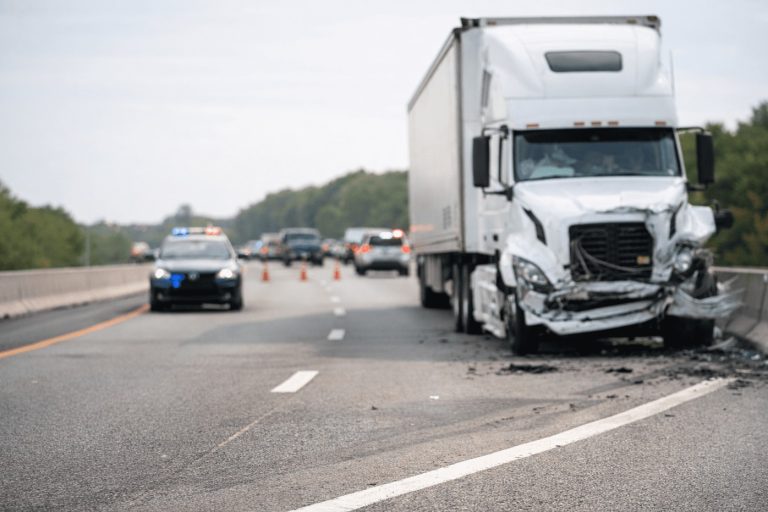
A red light crash feels sudden because it is sudden. One second of traffic moves as usual. The next second, metal folds, airbags burst, and your day changes. In Houston, these wrecks happen at busy spots where drivers rush through yellow lights and guess wrong. Some do it because they are late. Some look at a phone for two seconds too long. Two seconds can wreck a car. The hard part comes after the crash. You may think the fault is clear. Someone ran a red light, so the case should be simple, right? Not always. Insurance firms often slow things down. They ask for more proof. They question speed. They question timing. They may even hint that both drivers share blame. That is why many injured people speak with a Schechter, Shaffer & Harris, LLP – Accident & Injury Attorneys early. A strong legal team helps hold the facts in place before they get blurred. If you need a Houston personal injury lawyer, firms like Schechter, Shaffer & Harris, LLP – Accident & Injury Attorneys often step in when fault looks clear but payment still gets delayed.
Red lights, cameras, and the part nobody tells you
A red-light crash sounds simple because traffic lights seem simple. Green means go. Red means stop. Still, claims turn messy fast. A driver may say the light was yellow. A witness may only catch part of the moment. Rain matters too. So does road glare near sunset. Think of an intersection like a stage play. Everyone enters at once, but each person remembers a different scene. Police reports matter a lot here. So do nearby cameras—store cameras, dash cams, even a neighbor’s security feed if the crash happened near a corner lot. Insurance adjusters know this. They often move fast when they think proof may vanish. That is why timing matters. Evidence fades almost like chalk in rain.
What you should do right after the crash
First, get medical care even if pain feels small. A stiff neck often shows up later. So does back pain. Adrenaline hides plenty.
Then keep these basics together:
- Photos of both cars
- The traffic light area
- Names of witnesses
- Police report number
- Medical visit papers
Short lists help because the first day feels scattered. If your phone works, record your memory while it is fresh. Say what lane you were in. Say what light you saw. Small details help later. And yes, call your insurer—but keep it short. You do not need to explain every detail before you understand your injuries.
Fault seems obvious. Yet claims still get pushed back.
Here is the thing: fault in Texas can still be argued even when one driver ran a light. Texas follows modified comparative fault rules. That means payment can shrink if blame gets shared.
An insurer may ask:
- Were you speeding?
- Did you brake late?
- Did you enter too fast?
Even when those claims feel unfair, they show up often. A red-light case sometimes turns into a math problem nobody expected. If they assign you 20 percent fault, your payment drops by 20 percent. That affects medical bills, lost pay, and repair costs. So yes, fault matters twice—once for truth, then again for dollars.
Why legal help changes the pace
A lawyer does more than file papers. They request traffic footage before it disappears. They review crash angles. They speak with doctors about how the injury connects to the impact. That matters because insurers often act polite while building a smaller payout behind the scenes. A good claim tells one clear story: The other driver broke the light. The crash caused harm. The costs are real. Schechter, Shaffer & Harris, LLP – Accident & Injury Attorneys is known in Houston for handling injury claims where insurers resist early payment. And honestly, early legal practice help often changes how seriously a claim gets treated.
Money questions arrive fast—and bills arrive faster
The tow bill comes first sometimes. Then urgent care. Then I missed work. That stack of papers grows fast on a kitchen table.
A red-light crash claim may cover:
- Emergency treatment
- Follow-up care
- Lost wages
- Car repair or loss
- Pain tied to daily limits
Pain is harder to count, but it counts. If you cannot sleep, lift groceries, or sit through work, that affects daily life. That part belongs in the claim too.
What if the other driver says nothing happened?
It happens more than people think. Some drivers deny the light was red even when damage says otherwise. That is why witness names matter. A stranger waiting at the crosswalk may become key proof later. Sometimes nearby businesses help too. A gas station camera can settle what two drivers argue about for months. You know what? Small proof often wins big arguments.
FAQs
1. Can I still file a claim if I felt okay right after the crash?
Yes. Pain often starts later.
Soft tissue injuries may take a day or two to show up. See a doctor soon and keep records. Delayed care can give insurers room to question the injury.
2. What if there was no police officer at the exact moment of impact?
You can still build a strong case.
The police report, witness notes, photos, and video footage often fill the gap. A lawyer can also request nearby camera records before they vanish.
3. How long do I have to file after a red-light crash in Texas?
Texas usually gives two years for injury claims.
That sounds like plenty of time, though waiting hurts proof. Witnesses forget details. Video files get erased.
4. Should I talk to the other driver’s insurance company?
You may speak, but keep answers brief.
Give basic facts only. Do not guess about pain, speed, or fault before you know the full picture.
5. When should I call a lawyer after a red-light accident?
As soon as possible.
Early legal help protects records, preserves evidence, and keeps pressure on the insurer before the claim drifts.
A red light lasts seconds. The claim can last months. Getting help early often keeps that second part from becoming harder than it needs to be
About the Author